

How to Evaluate a Factory Before Committing to Large Volume Orders
When distributors move from small orders to large volume purchasing, the real risk does not come from product pictures or samples.
The real risk comes from choosing the wrong factory partner.
Table of Contents
- Why Factory Evaluation Is a Business Filter
- Hidden Risks Behind “Good Samples”
- Why Large Orders Fail After Scaling
- Factories You Should Avoid Immediately
- Real Factory Evaluation Checklist
- Production Capacity That Actually Matters
- OEM Ability That Supports Brand Growth
- Product Stability for Bulk Distribution
- Who Must Upgrade Supplier Strategy
- Decision Point: Before You Scale
- Q&A
Why Factory Evaluation Is a Business Filter
Factory evaluation is not just a purchasing step.
It is a filter that decides whether your business can scale safely or not.
Good suppliers support growth. Weak suppliers destroy momentum.
That is why experienced buyers only work with a verified compression boots supplier for long-term cooperation.
Hidden Risks Behind "Good Samples"
Many factories can produce good samples.
But bulk production is a different system.
- Samples are hand-controlled
- Mass production is system-controlled
This is where most sourcing mistakes begin.
Small differences become big problems at scale.
Why Large Orders Fail After Scaling
Most failures happen after orders increase:
- Production delays during peak demand
- Inconsistent quality between batches
- Unstable communication and response time
- Limited factory capacity under pressure
These issues are invisible in early-stage testing.
This is why choosing an OEM compression boots factory matters before scaling.
Factories You Should Avoid Immediately
Before placing large orders, avoid factories with these signs:
- No clear production capacity information
- No long-term OEM project history
- No certifications or QC system
- Unstable delivery promises
If these signals exist, risk is already present.
Real Factory Evaluation Checklist
Serious distributors check these points:
- Production capacity and factory size
- OEM/ODM experience with global brands
- Quality control system at every stage
- Delivery stability under peak demand
- Communication speed and engineering support
This is the minimum standard for bulk procurement safety.
Production Capacity That Actually Matters
Capacity is not just “how many units per day”.
It includes:
- Number of production lines
- Material supply stability
- Order scheduling system
- Peak season handling ability
Without stable capacity, growth will always break at scale.
This is why buyers prefer a stable bulk compression boots supplier.
OEM Ability That Supports Brand Growth
OEM capability is not only logo printing.
It includes:
- Product structure customization
- Packaging and branding design
- Market-specific configuration
Strong OEM ability directly supports distributor expansion.
Product Stability for Bulk Distribution
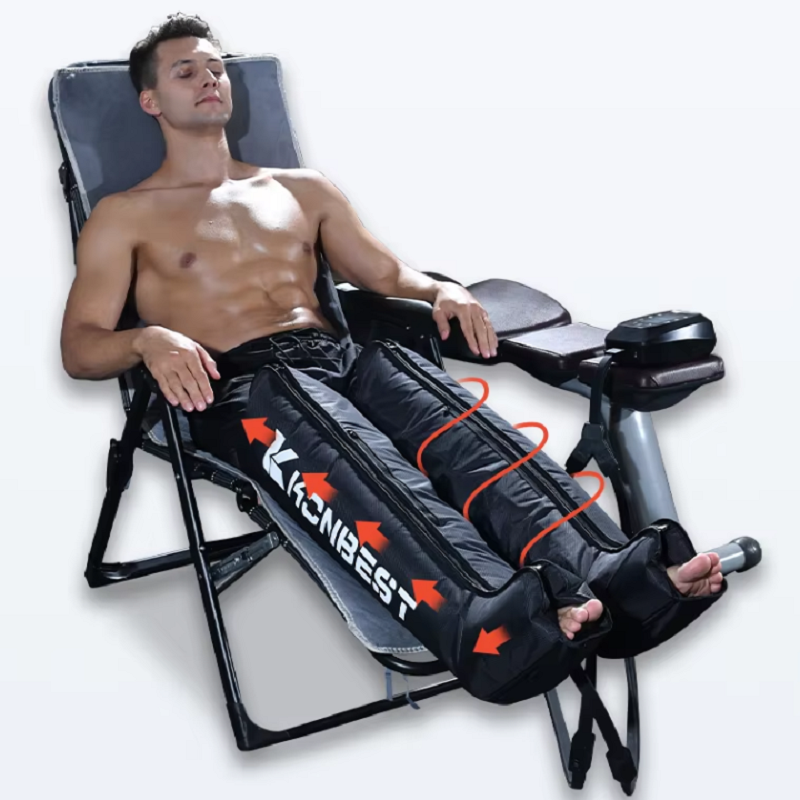
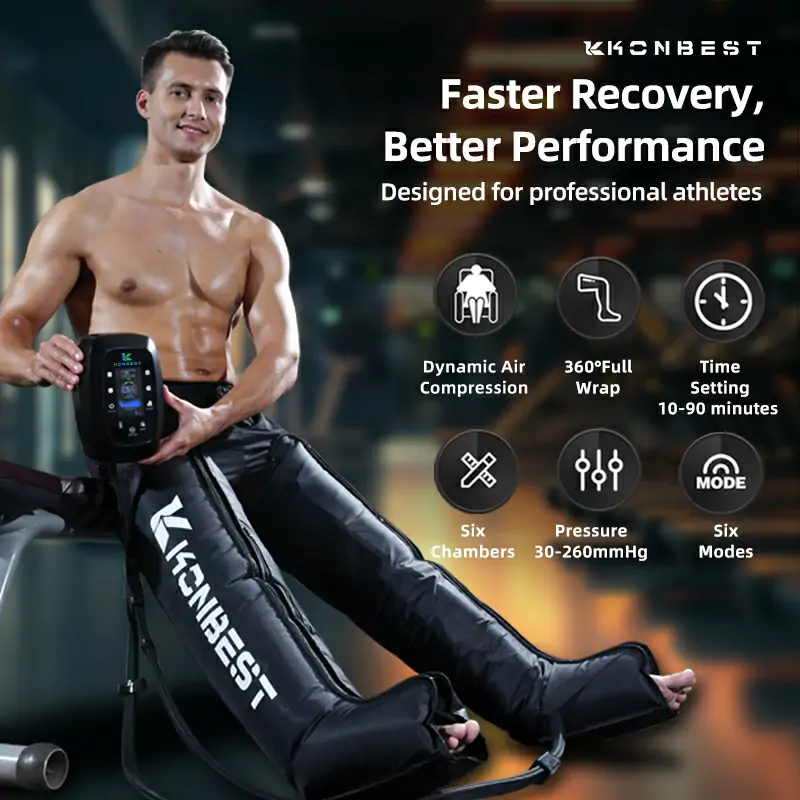
Our compression boots are designed for scalable markets:
- Advanced intermittent pneumatic compression boots system
- Sequential pressure technology for recovery efficiency
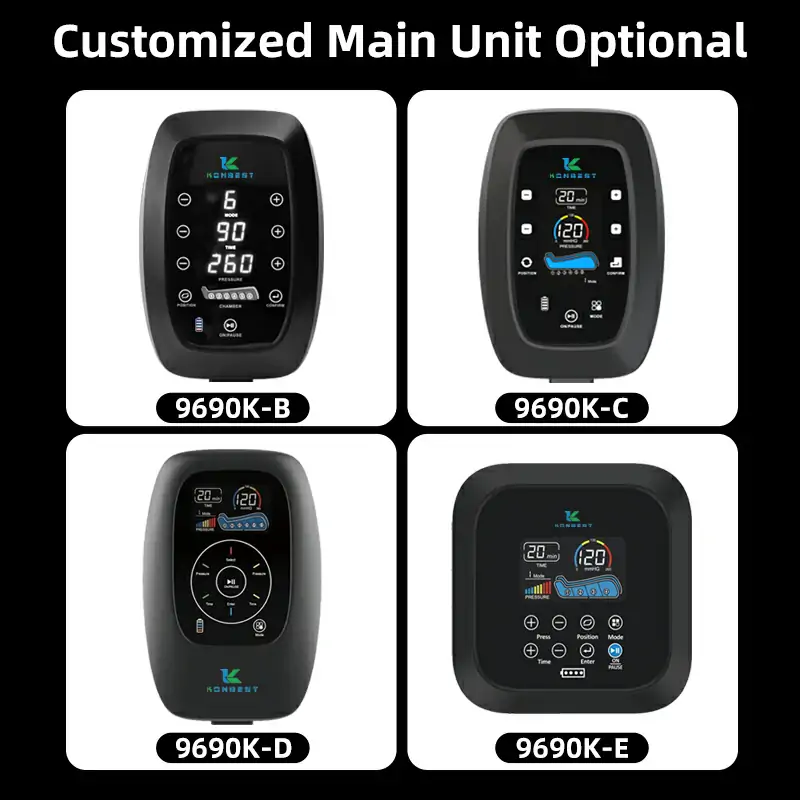
- Multiple operation modes for different users
- Stable performance across mass production batches
Consistency is the foundation of distributor trust.
Who Must Upgrade Supplier Strategy
- Distributors expanding into new regions
- Wholesalers increasing order size
- Resellers building private label brands
- Importers preparing for seasonal demand peaks
If you plan to scale, supplier selection becomes critical immediately.
Decision Point: Before You Scale
Most factory problems only appear after scaling begins.
At that stage:
- Switching suppliers is slow
- Delays cause real sales loss
- Quality issues damage market trust
This is why evaluation must happen before commitment, not after problems appear.
Submit your inquiry now to verify factory capability before placing large volume orders.
Q&A
Q1: Why do bulk orders fail after scaling?
A: Because factory limitations only appear at high volume.
Q2: What is the biggest risk in sourcing?
A: Choosing a factory without real production control.
Q3: How to reduce sourcing risk?
A: Evaluate capacity, OEM ability, and QC system before ordering.
Q4: Can you support large distributors?
A: Yes, with stable production lines and OEM capability.
Q5: Who should evaluate factories carefully?
A: Any distributor planning to scale beyond small orders.